
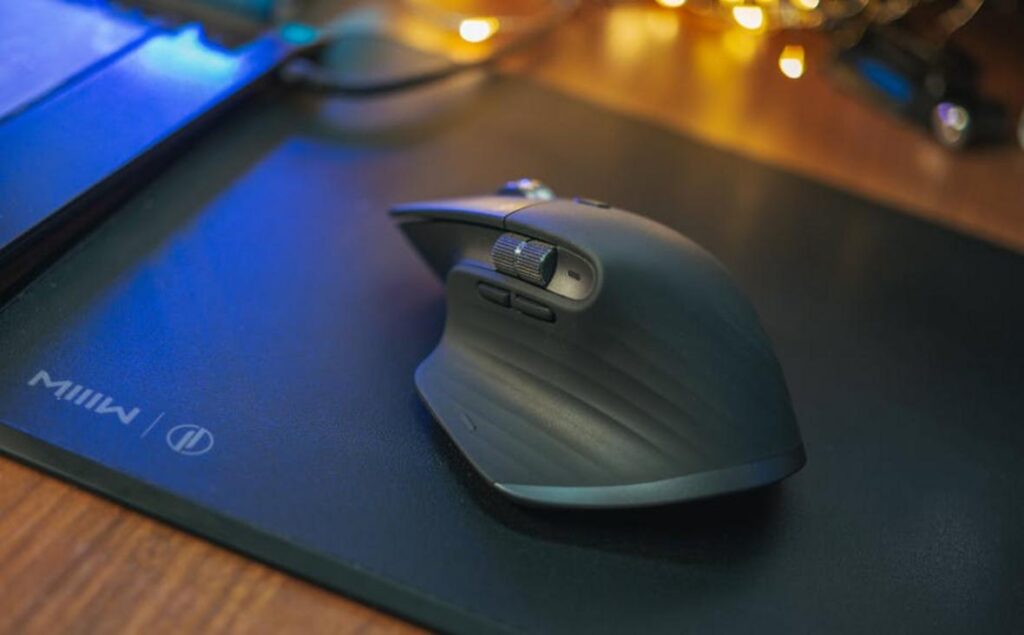
I’ve spent hundreds of hours in VR and I can tell you this: your mouse pad matters more than you think.
You’re probably here because you keep fumbling for your mouse in Beat Saber breaks or losing track of your desk edge mid-flight in MSFS. It’s annoying and it kills immersion fast.
Here’s the thing: when you’re wearing a headset, you’re operating blind. That cheap mouse pad you grabbed on sale? It’s working against you.
I tested dozens of surfaces across seated VR games and virtual desktop setups. Not just for a few minutes. For real sessions where these problems actually show up.
This guide answers one question: which gaming mouse pad vrstgameplay setups actually need. Not what works for flat screen gaming. What works when you can’t see your desk.
You’ll learn why VR changes everything about mouse pad requirements. I’ll show you what features actually matter when you’re blind and which ones are just marketing.
No fluff about DPI or RGB lighting. Just what keeps you from breaking immersion when you reach for your mouse and it’s somehow three inches off the pad.
The Core Challenge: Navigating a Physical Desk While in a Virtual World
Here’s what nobody tells you about using a mouse in VR.
You’re blind.
Not literally. But once that headset goes on, your physical desk disappears. Your mouse, your keyboard, that coffee cup you forgot about? Gone.
This is what I call the blind navigation problem. And it changes everything about how you pick a mouse pad.
Think about regular desktop gaming for a second. You glance down, adjust your mouse, keep going. Takes half a second. No big deal.
In VR? You can’t do that. Looking down means you’re staring at a virtual floor or your in-game body. Your real desk might as well not exist.
Some people say you’ll just get used to it. That muscle memory will kick in and you’ll be fine with any old mouse pad.
But that’s not how it works.
Surface area becomes everything. You need enough space that you won’t hit the edge during normal movement. And consistency matters because you can’t see if your mouse is tracking weird or if you’re about to run out of room.
I learned this the hard way in Microsoft Flight Simulator. I was lining up an approach when my mouse hit the pad edge. Completely broke immersion. Suddenly I wasn’t flying anymore. I was fumbling around my desk trying to recenter.
That jarring feeling? It’s worse in VR than anywhere else.
Which gaming mouse pad to choose vrstgameplay depends on what you’re actually doing in that headset. Flight sims need smooth, consistent tracking for small adjustments. Racing games like iRacing require quick flicks between menus and driving. Virtual desktop apps (Virtual Desktop, Immersed) mean you’re basically working blind for hours.
Each scenario punishes a bad mouse pad differently. But they all punish it harder than flat screen gaming ever could.
The Three Pillars of a Perfect VR Mouse Pad
Let me be clear about something.
Most people buy the wrong mouse pad for VR. They grab whatever’s on sale or stick with the same small pad they’ve used for years.
That’s a mistake.
When you’re wearing a headset, you can’t see your desk. You’re moving blind. And that changes everything about what you need from a mouse pad.
I’m going to walk you through the three things that actually matter when you’re choosing which gaming mouse pad to choose vrstgameplay.
Pillar 1: Massive Surface Area
Size isn’t just important here. It’s non-negotiable.
You need an extended desk mat. The kind that covers space for both your keyboard and mouse. I’m talking about a minimum of 30 x 12 inches (76 x 30 cm).
Why so big? Because you need a huge, consistent tracking area you can count on without looking down. When you’re in VR and you reach for your mouse, you don’t want to wonder if you’re still on the pad.
Small pads don’t cut it. Period.
Pillar 2: Unwavering Stability
Here’s where VR gets tricky.
A rock-solid, non-slip rubber base matters more than it does for regular gaming. Way more. You can’t just reach down and fix a slipping pad while you’re wearing a headset.
The base needs to be heavy and dense. Not just textured rubber but actual grip that won’t budge even when you’re making quick movements.
I’ve tried pads that slide around. It’s frustrating enough to pull you out of the game completely.
Pillar 3: Consistent Tracking
Now we get to the surface itself.
You’ve got two real options: cloth or hard. Both work for VR but they feel completely different.
Cloth gives you control and a tactile feel. That texture helps you sense where you are on the pad without looking. It’s forgiving when you’re reaching around blind (which you’ll be doing a lot).
Hard surfaces are faster. Great for whipping around virtual desktops or making quick menu selections. But here’s the catch. If you lose your place, hard surfaces don’t give you the same feedback. You might not realize you’ve drifted off-center until it’s too late.
My take? Cloth wins for VR. The sensory feedback is worth more than the speed advantage. Check out the player guide vrstgameplay for more setup tips.
But if you’re mostly doing productivity work in VR, a hard surface might make sense.
Top Mouse Pad Categories for VR Gameplay
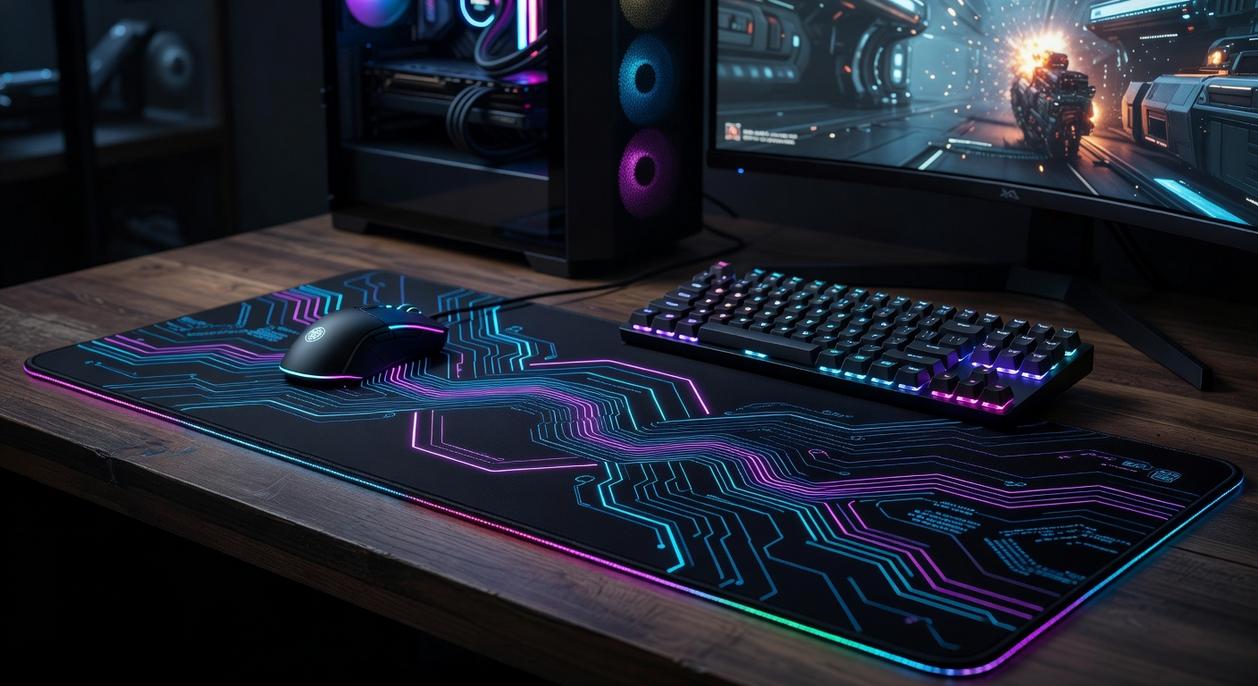
You might be wondering why a mouse pad even matters in VR.
After all, you’re wearing a headset. You can’t see your desk.
Some VR players say mouse pads are pointless. They argue that once you’re in the headset, tactile feedback doesn’t matter. Just use whatever surface you have and focus on the game.
I used to think that way too.
But here’s what changed my mind. Your muscle memory doesn’t disappear just because you can’t see your hands. In fact, it becomes MORE important when you’re blind to your physical space.
Let me break down which gaming mouse pad to choose vrstgameplay based on what you actually do in VR.
The Extended Cloth Desk Mat works for about 90% of VR users. It gives you a massive surface that keeps your keyboard from sliding around when you’re fumbling for keys mid-game. The uniform texture means your hand always knows where it is, even when you can’t see it. That consistency builds muscle memory fast.
The XXL Desk Mat is what serious sim players need. If you’re running a HOTAS setup for flight sims or a full wheel for racing, you need space. LOTS of space. The last thing you want is your mouse falling off the edge when you’re trying to adjust settings between races. This size eliminates that problem completely.
The Low-Profile Hard Pad makes sense for VR productivity work. When you’re navigating virtual monitors in a seated position, speed matters more than control. The low friction lets you whip between screens without fighting drag. Your setup stays stable, your movements stay quick.
Your choice depends on what you’re actually doing in that headset (not what you think looks cool on your desk).
Pro Tips: Setting Up Your Physical Space for VR Mouse Use
Your physical setup matters more than you think.
I’ve seen people spend hundreds on VR gear and a good mouse, then wonder why they keep losing track of where everything is mid-game.
The fix is simple. You just need a few reference points.
Start with your keyboard as your home base. Place it at the top edge of your mat. When you reach forward and feel those keys, you know exactly where you are. No need to peek under your headset (which breaks immersion every single time).
Route your VR cable to one side. I run mine over my left shoulder and tape it to my desk edge. Sounds basic, but a cable dragging across your mouse area will kill your aim when it matters most.
Here’s a trick I picked up after too many frustrating sessions.
Put a small tactile dot on your mousepad. I use a clear adhesive bump at the center of my play area. When my hand drifts and I feel that dot, I know I’m centered. You can find these at any office supply store for a few bucks.
Some people say you should just memorize your space and develop muscle memory. And sure, that works eventually. But why struggle for weeks when a physical marker gets you there in a day?
Which gaming mouse pad to choose vrstgameplay setups is another consideration. You want something large enough that you won’t run off the edge during quick movements.
These small changes add up. You’ll spend less time fumbling and more time actually playing.
The Right Surface for a Seamless Virtual Reality
You came here because your mouse pad was breaking your VR experience.
Every time you reached the edge or felt your mouse slip, it pulled you out of the game. That’s not a small problem when you’re trying to stay immersed.
The fix is simpler than you think.
A large desk mat gives you the tracking space you need. No more bumping into boundaries or losing precision mid-game.
Standard pads weren’t built for VR. You’re navigating blind and you need a surface that won’t fight you.
Here’s what to do: Measure your desk space right now. Get an extended mat that covers your full range of motion.
which gaming mouse pad to choose vrstgameplay has the options that work for serious VR players.
Stop letting your setup limit what you can do in VR. The right mat lets you forget about the physical world and focus on where you actually want to be.