

I’ve struggled with depression, and I know how hard it can be to express those feelings. Art has been a lifeline for me. It’s a way to channel the darkness into something tangible.
But where do you start? How do you turn your emotions into drawing lukisan depression that resonates with others? This guide is here to help.
We’ll dive into what depression art is, why it matters, and give you step-by-step instructions to create your own. Trust me, this isn’t just another how-to. It’s based on real insights from artists and mental health experts.
So, if you’re ready to explore and express, let’s get started.
What is Depression Art?
Depression art is a form of expression that captures the feelings and experiences of those dealing with mental health struggles. It’s not just about creating something; it’s about giving voice to the often unspoken pain and emotions.
Historically, depression art has evolved from personal sketches and paintings to more modern forms like digital art and installations. Artists have always found ways to express their inner turmoil, but the term “depression art” has gained more recognition in recent years.
Drawing lukisan depression, for instance, can be a powerful way to convey the depth of one’s feelings. These artworks often use dark colors and somber themes to reflect the artist’s state of mind.
Creating and viewing depression art can be therapeutic. For artists, it’s a way to process and externalize their emotions. For viewers, it can provide a sense of connection and understanding.
It’s meaningful because it breaks down the stigma around mental health. By sharing these raw and honest depictions, we open up conversations and create a space for empathy and support.
Understanding Depression Through Art
Art can be a powerful medium for expressing and processing emotions. When you’re feeling down, sometimes words just don’t cut it. That’s where art steps in.
Creating art, especially what some call drawing lukisan depression, can help you channel those feelings into something tangible. It’s like giving your emotions a voice without needing to speak.
The therapeutic benefits are real. Making art can reduce stress, improve mood, and even provide a sense of control. It’s not just about the end result; the process itself is healing.
Think about it. When you’re painting or drawing, you’re fully present. Your mind isn’t wandering to all the things that are stressing you out.
It’s a break from the chaos.
Some well-known examples of depression art have had a significant impact. Edvard Munch’s The Scream is a classic. The raw emotion in that piece speaks to so many people.
It shows that you’re not alone in your struggles.
Another example is Vincent van Gogh’s Starry Night. Van Gogh painted this while in an asylum. The swirling sky and vibrant colors reflect his inner turmoil and hope.
These works show that art can be a way to connect with others who feel the same way. It’s a shared experience, a way to say, “I see you, and I understand.”
So, if you’re going through a tough time, pick up a pencil or a brush. You might be surprised by how much it helps.
How to Create Depression Art: Step-by-Step Guide
Materials Needed:
– Sketchbook or canvas
– Pencils, charcoal, or paint
– Brushes and palette (if painting)
– Digital tablet and software (for digital art)
Choosing a Medium:
Drawing can be a raw and direct way to express your feelings. It’s simple and immediate. Painting, on the other hand, lets you play with colors and textures, which can add depth to your emotions.
If you’re into technology, digital art offers endless possibilities for experimentation.
Finding Inspiration:
Start by reflecting on your own experiences. What triggers your emotions? Maybe it’s a specific memory, a feeling, or even a song.
Write these down. Sometimes, just putting your thoughts on paper can spark an idea.
Creating the Art:
First, sketch out your initial ideas. Don’t worry about perfection; this is just a rough draft. Next, choose the medium that feels right for you. Vrstgameplay
For example, if you decide on drawing lukisan depression, focus on the lines and shadows to convey the mood.
Once you have your sketch, begin adding details. If you’re using paint, layer colors to build up the emotion. For digital art, experiment with different brushes and effects.
Finally, step back and look at your work. Does it capture the feeling you wanted, and if not, make adjustments.
Art is a process, and sometimes it takes a few tries to get it right.
Remember, the goal is to express yourself, not to create a masterpiece. Be patient and kind to yourself.
Techniques and Styles in Depression Art
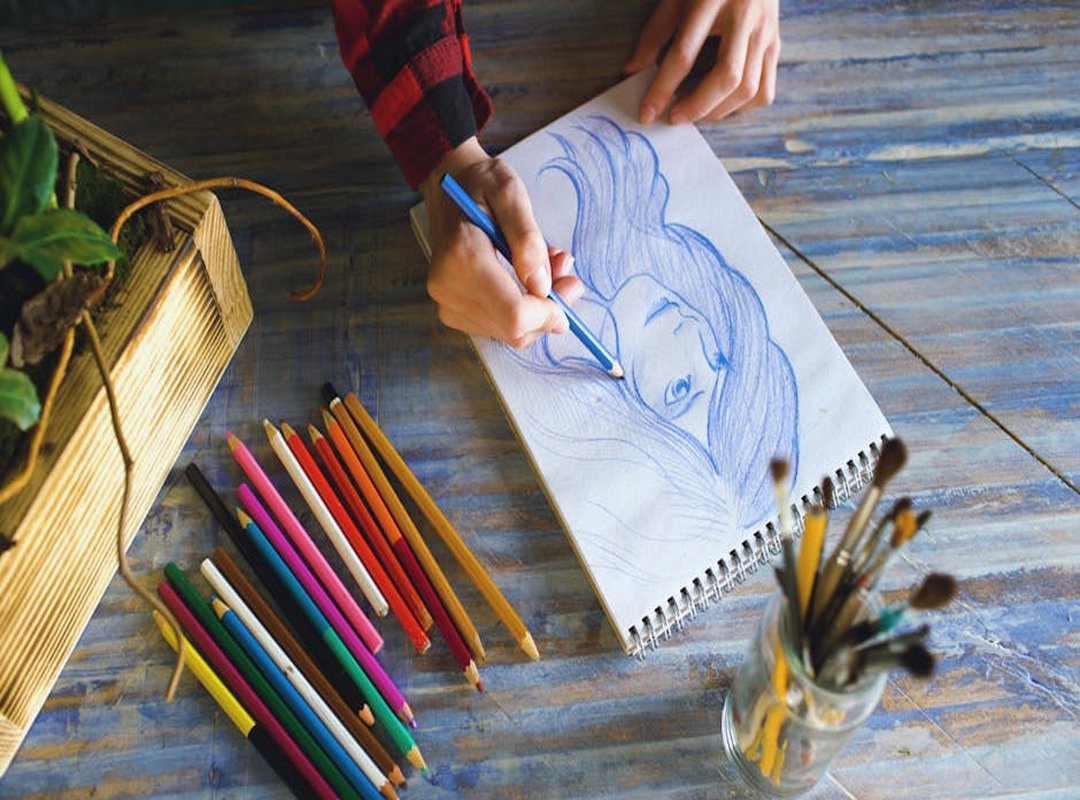
When it comes to color and tone, go for muted, cool tones. Blues, grays, and dark greens can really set the mood. Bright, vibrant colors?
Not so much, and they don’t capture the essence of depression.
Think about the composition too, and use a lot of negative space. It can make the subject feel isolated, which is often a key emotion in depression.
Try placing your main subject off-center. This can create a sense of imbalance, reflecting the internal turmoil.
Symbols and metaphors are powerful. A drawing lukisan depression might include a broken mirror or a wilting flower. These elements add layers of meaning and help viewers connect on a deeper level.
Pro tip: Don’t overthink it. Sometimes, the simplest symbols are the most effective. Trust your instincts and let the art speak for itself.
Sharing and Discussing Your Art
When it comes to sharing your depression art, you’ve got a few solid options. Social media platforms like Instagram and Twitter are great for reaching a wide audience. You can also join art communities on Reddit or DeviantArt where people share and discuss their work.
If you’re feeling more ambitious, consider submitting your pieces to local galleries or online art showcases.
Feedback is crucial, and it helps you grow as an artist. Don’t be afraid to ask for opinions from friends, family, or fellow artists.
When you get feedback, take it with a grain of salt. Not everyone will understand or appreciate your drawing lukisan depression, and that’s okay. Focus on the constructive comments and use them to refine your work.
Connecting with other artists is a game-changer. Joining a community of like-minded individuals can provide support and inspiration. They get what you’re going through and can offer valuable insights.
Plus, seeing how others express their emotions through art can spark new ideas for your own projects.
Remember, the goal is to share your story and connect with others. Don’t stress too much about likes or followers. The real value is in the connections you make and the impact your art has on those who see it.
FAQs About Depression Art
Q: Do I need to be an experienced artist to create depression art?
A: No, anyone can create depression art. It’s about expressing your emotions, not technical skill.
Q: Can depression art be uplifting?
A: Yes, while it often conveys sadness, it can also bring hope and understanding to both the artist and the viewer. Creating or viewing drawing lukisan depression can be a therapeutic experience, helping you process and share your feelings.
Q: Is it okay to share my depression art publicly?
A: Absolutely, sharing your art can be a way to connect with others and raise awareness about mental health. It might even inspire someone else to open up about their own struggles.
Embracing the Power of Depression Art
Depression art is a powerful form of self-expression that allows individuals to convey their inner struggles and emotions. It can take many forms, from painting and drawing to sculpture and digital art. drawing lukisan depression often captures the raw, intense feelings associated with mental health challenges. Creating this type of art can be a therapeutic process, helping artists to explore and understand their own experiences.
By using art as a means of self-expression, you can begin to heal and find a sense of peace. Your unique perspective and emotions are incredibly valuable. They can be powerfully expressed through your art, making a profound impact on both yourself and others.