

I remember my first time playing a VSRG. Notes flew down the screen and I couldn’t hit anything. My hands felt clumsy and I wanted to quit after ten minutes.
You’re probably dealing with the same thing right now. The notes move too fast. Your timing feels off. And you’re wondering if you’re even cut out for rhythm games.
Here’s the truth: everyone struggles at first. But most beginners make the same mistakes that keep them stuck longer than they need to be.
I put this guide together because I’ve seen what works. The players who improve fast all follow similar patterns. They set up their games correctly from day one. They practice the right way instead of just grinding random songs.
This is your roadmap for gameplay for beginners vrstgameplay. No fluff or complicated theory.
You’ll learn how to configure your setup, which practice methods actually build skill, and how to avoid the common traps that waste your time.
By the end, you’ll know exactly what to do next. Not someday. Right now.
The Foundation: Setting Up Your Game and Yourself for Success
You can’t play well if your game isn’t set up right.
I see new players jump straight into songs and wonder why they can’t hit anything. They blame their reflexes or think rhythm games just aren’t for them.
But most of the time? It’s their setup.
Why Setup Matters
Before you hit a single note, you need to make sure your game feels responsive. A proper setup prevents bad habits and keeps things fair. You wouldn’t try to learn guitar with broken strings, right?
Calibrating Your Offset
This is the big one.
Audio and visual offset controls when notes appear on screen compared to when you hear the music. If this is off by even 50 milliseconds, you’ll be hitting notes at the wrong time. Every single time.
Most rhythm games have a calibration tool built in. Use it. Hit the button when you hear the beat (not when you see the prompt). The game will calculate your offset automatically.
If your game doesn’t have this, try starting at zero and adjusting up or down by 10ms until notes feel like they sync with the music.
Ergonomics 101
Your body matters too.
Sit up straight. Keep your feet flat on the floor. Position your keyboard or controller at a height where your wrists stay neutral, not bent up or down.
This isn’t just about comfort. Poor posture kills your stamina during longer sessions and can lead to actual pain down the road.
Choosing Your Speed
Scroll speed determines how fast notes move toward you. Faster speeds give you more space between notes, which makes patterns easier to read.
Start somewhere comfortable. You want notes to feel distinct but not overwhelming. For most beginners in gameplay for beginners vrstgameplay, that’s usually around the middle of the speed range.
Stick with one speed while you’re learning. Changing it constantly just messes with your muscle memory.
Core Gameplay Mechanics: Learning to Read and React
Let me tell you about the judgment line.
This is the most important part of your screen. It’s where the note actually happens. Your job is simple: hit the key the exact moment the note lines up with this line.
Sounds easy, right?
Here’s where most beginners mess up (and I did this too when I started vrstgameplay).
They stare directly at the judgment line like they’re trying to burn a hole through their monitor.
Don’t do that.
Keep your eyes focused about two-thirds of the way up the screen instead. This gives you time to see what’s coming and actually react. Staring at the judgment line is like driving while looking at your hood ornament. You’re gonna crash.
Timing windows are pretty straightforward. Most rhythm games use something like Perfect, Great, Good, and Miss. Perfect means you nailed it. Great means you were close. Good means you hit the note but your timing was off. Miss means… well, you know what that means.
Your goal with gameplay for beginners vrstgameplay is building muscle memory for those Perfects.
But here’s the thing nobody tells you.
Stop treating this like a visual test. It’s called a rhythm game for a reason. The notes match sounds in the song. A drum hit. A synth stab. Sometimes even a vocal.
Pro tip: Close your eyes for a few seconds while playing an easy song. You’ll probably hit more notes than you expect just by listening.
Your ears matter as much as your eyes here.
Fundamental Techniques Every Beginner Must Master
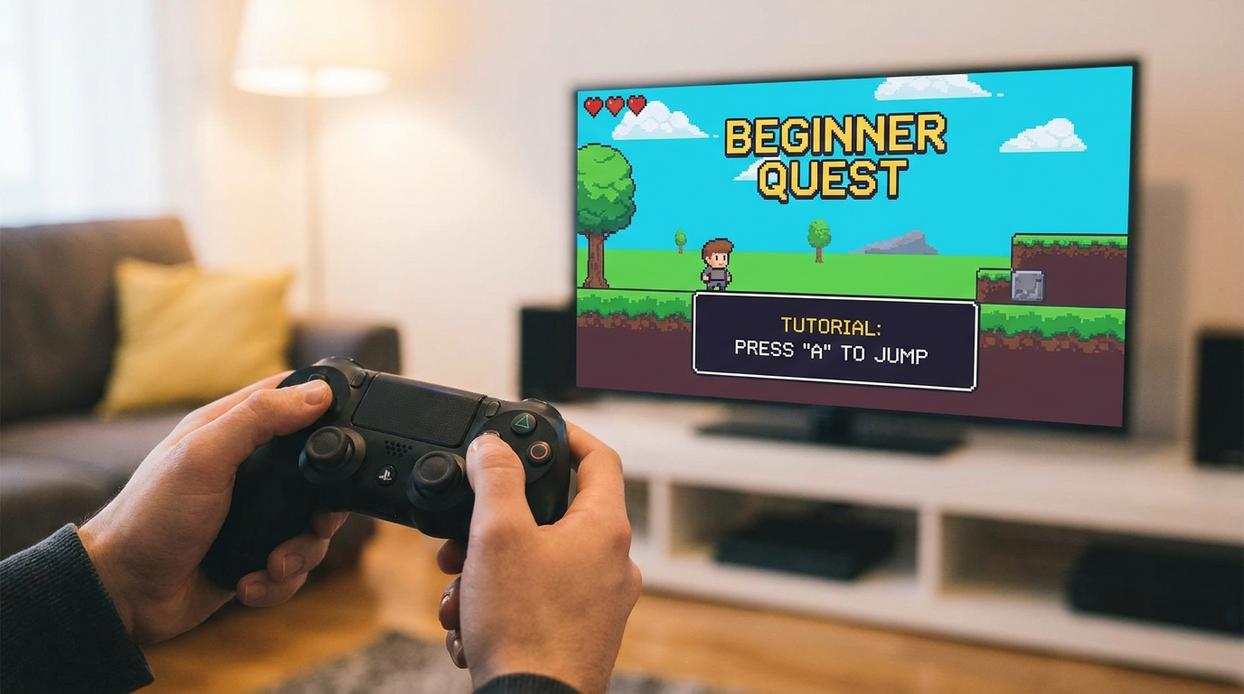
You just downloaded your first rhythm game.
The tutorial ends and you jump straight into a song that looks cool. Within 30 seconds you’re drowning in notes you can’t hit and wondering if you’re just bad at this.
Here’s what nobody tells you upfront.
The hardest songs? They’re not for you yet. And that’s fine.
Some players will tell you to push yourself from day one. They say the only way to improve is by constantly failing at harder content. That struggling builds muscle memory faster.
I disagree.
When you’re getting destroyed by patterns you don’t understand, you’re not learning anything. You’re just mashing buttons and hoping something sticks.
Start with Low Difficulty
Pick the easiest songs available. I mean the ACTUAL easiest ones, not what looks easy.
Your goal isn’t to impress anyone. It’s to recognize patterns before they happen.
Accuracy Over Score
Stop looking at your score and combo counter.
Check your accuracy percentage instead. If you’re hitting 95% or higher on easy songs, you’re building the right foundation for gameplay for beginners vrstgameplay.
Failing a hard song with 60% accuracy teaches you nothing except frustration.
Learn to Alternate
Here’s where most people mess up their hands.
Don’t use the same two fingers for everything. In a standard 4-key game, use both hands. Index and middle fingers on each hand, one finger per lane.
It feels weird at first (your brain wants to use whatever’s comfortable). But this setup prevents you from hitting a wall later when patterns get faster.
Mastering Single Taps
Before you touch anything complicated, make sure you can hit single notes on beat.
One note. Then another. Then another.
If you’re missing these, chords and streams will wreck you.
Introducing Basic Patterns
Two patterns show up everywhere.
Stairs are notes that walk up or down the lanes in sequence. Think 1-2-3-4 or 4-3-2-1. Your fingers should roll across the keys smoothly, not stab at each note.
Jackhamemrs are repeated notes in the same lane. Same finger hitting the same key multiple times. Start slow and keep the rhythm consistent.
Pro tip: When you see a jackhammer coming, relax your hand. Tension makes you slower.
Master these basics and the rest becomes possible.
How to Practice Smart for Consistent Improvement
I used to practice for hours.
And I mean hours. I’d pick one song and just hammer away at it until my hands hurt and my eyes burned.
You know what happened? I got really good at that one song. And stayed terrible at everything else.
Here’s what nobody tells you about practice. More time doesn’t always mean more progress.
Some people say repetition is everything. Just keep playing the same chart until muscle memory kicks in. They’ll tell you that’s how you build consistency.
And look, there’s some truth there. You do need repetition.
But grinding the same song 50 times in a row? That’s not practice. That’s just stubbornness wearing a disguise.
I figured this out the hard way after weeks of frustration. I was stuck at the same skill level while other players kept passing me up.
So I changed how I approached practice entirely.
The Variety Method
Stop playing the same song on repeat.
I know it feels productive. You think you’re getting closer each time. But your brain stops learning when you feed it the same patterns over and over.
Play different songs. Different charts. Different rhythms.
When you expose yourself to variety, you start recognizing patterns you’ve never seen before. You become adaptable instead of specialized (and trust me, adaptable players have way more fun).
This is what separates gameplay for beginners vrstgameplay from advanced players. Beginners think mastery means perfecting one thing. Advanced players know it means handling anything thrown at them.
The 15-Minute Rule
Your brain has limits.
I can practice focused for about 15 to 20 minutes before things start getting sloppy. After that, I’m just reinforcing bad habits.
Short bursts work better than marathon sessions. You stay sharp. You catch mistakes before they become patterns.
Take breaks. Walk away. Come back fresh.
A focused 15 minutes beats a distracted hour every single time.
Isolate Your Weaknesses
There’s always that one section that destroys you.
You know the one. Everything’s going great and then bam, you miss the same pattern you’ve missed 20 times before.
Most rhythm games have a practice mode. Use it.
Slow that section down. I’m talking 50% speed if you need to. Learn the pattern at a pace where your brain can actually process what’s happening.
Then speed it up gradually. 60%. 70%. 80%.
By the time you’re back at full speed, your hands already know what to do.
| Speed | What You’re Learning |
|——-|———————|
| 50-60% | Pattern recognition |
| 70-80% | Timing accuracy |
| 90-100% | Execution under pressure |
Don’t Be Afraid to Fail
Every failed chart teaches you something.
I used to get mad when I failed. Now I treat it like data collection.
Why did I fail? Was I hitting too early? Too late? Did a specific pattern mess me up?
Each failure answers a question. And once you know the question, you can fix the answer.
This is how you actually improve. Not by avoiding hard songs. By failing them until you don’t anymore.
I still fail charts all the time. The difference is I know what to work on next.
That’s the whole point of practice. Not perfection. Progress.
If you want more structured guidance on building skills from scratch, check out this tutorial for valorant vrstgameplay. The principles apply across different games.
Your Journey to Rhythm Master Starts Now
You now have what you need to start playing VSRGs the right way.
I know the learning curve looks steep when you first open one of these games. Your fingers feel clumsy and the notes fly by too fast.
But it’s not insurmountable.
You’ve learned the fundamentals that matter. Accuracy over speed. Watching the judgment line instead of the falling notes. Building muscle memory through consistent practice.
These aren’t just tips. They’re the foundation that prevents bad habits from taking root.
Here’s what separates players who improve from those who plateau: the ones who improve focus on doing things correctly from day one. You’re already ahead because you know what to focus on.
It’s time to play.
Load up a beginner-level song on gameplay for beginners vrstgameplay. Pick one tip from this guide and apply it. Maybe you focus on hitting the judgment line perfectly or you slow down the scroll speed.
Watch what happens when you practice with intention instead of just mashing keys.
Your skills will grow faster than you think. You just need to start.