
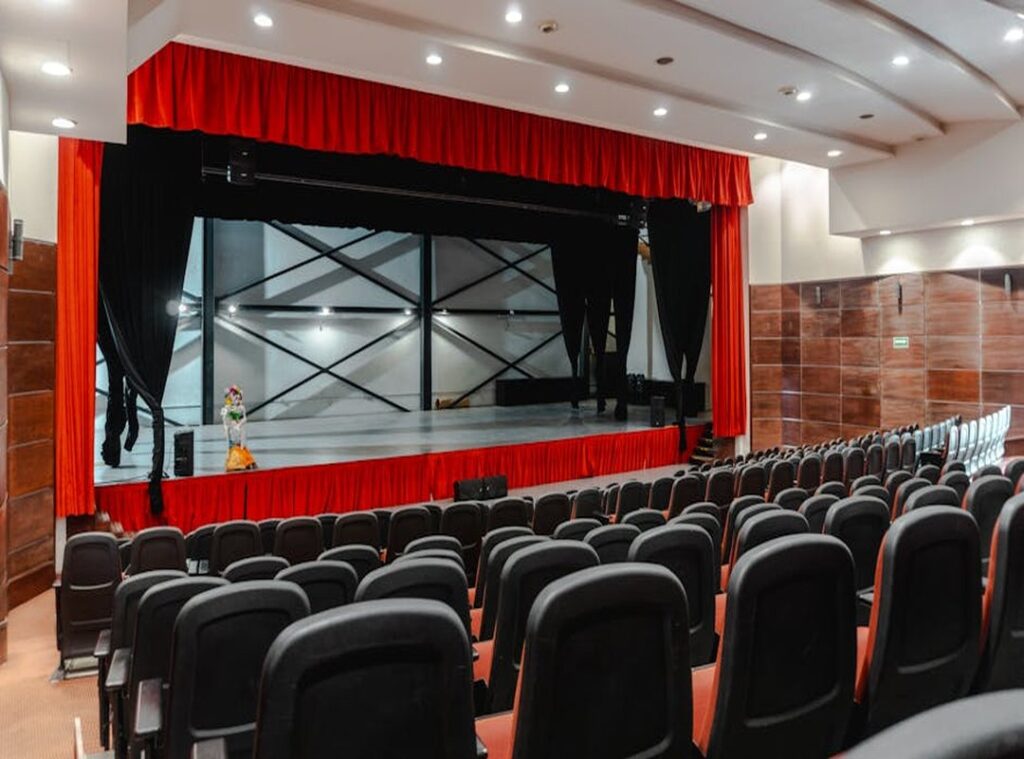
If you’re new to programacion discovery theater, you might feel a bit lost. There’s not a lot of clear information out there, and that can be frustrating. I get it.
I’ve been there too. So, let me break it down for you. This article will define what Discovery Theater programming is, why it matters, and how to get started.
No fluff, just the essentials.
Do you want to know the basics? Or maybe you’re curious about the steps to dive in? Either way, I’ve got you covered.
Trust me, I’ve spent a lot of time in this field, and I know what works. You’ll find straightforward, actionable advice here.
So, let’s get into it.
What is Discovery Theater Programming?
Discovery Theater programming is all about creating interactive and engaging theatrical experiences. It’s not just a show; it’s an experience.
The key components of Discovery Theater programming include scripting, interactivity, and audience engagement. Each element plays a crucial role in making the performance memorable.
Scripting is the backbone. It sets the stage for the story and the interactions. Interactivity brings the script to life, allowing the audience to participate and feel like they’re part of the action.
Audience engagement ensures that everyone feels connected and involved.
Effective programming is vital. It enhances the overall theater experience by making it more immersive and enjoyable. When done right, it can transform a simple play into something truly special.
What’s next? You might be wondering how to get started with programacion discovery theater. The first step is to understand your audience and what they want from the experience.
Then, focus on crafting a script that invites interaction and keeps them engaged.
Good luck, and remember, the magic happens when you make the audience feel like they’re part of the story.
Getting Started with Discovery Theater Programming
So, you’re ready to dive into programacion discovery theater . Awesome, and let’s break it down into simple steps.
First things first, and define your goals. What do you want to achieve with your program?
Is it to educate, entertain, or both, and get clear on this before moving forward.
Next, choose your tools. You’ll need software and tools for scripting and interactivity. Don’t overthink it.
Pick something user-friendly that fits your needs.
Now, let’s talk scripting basics, and learn the fundamentals of writing scripts. This includes dialogue and stage directions.
It’s like giving a roadmap to your actors and tech team.
Incorporate interactivity. Think about how you can get the audience involved. Maybe it’s through Q&A sessions, interactive technology, or even some good old-fashioned audience participation.
- Define Your Goals: Identify what you want to achieve.
- Choose Your Tools: Select the right software and tools.
- Scripting Basics: Master the art of writing scripts.
- Incorporate Interactivity: Make your show engaging and interactive.
Follow these steps, and you’ll be well on your way to creating a fantastic Discovery Theater experience. Trust me, it’s worth the effort.
How to Write an Effective Discovery Theater Script
Writing a Discovery Theater script can be a fun and rewarding experience. But it’s not just about putting words on paper. It’s about creating an engaging and memorable experience for the audience.
First, let’s talk structure. A good Discovery Theater script has three main parts: introduction, development, and conclusion.
The introduction sets the scene and grabs the audience’s attention. Keep it short and snappy, and you want to hook them right away.
Next comes the development. This is where the story unfolds, and the main action happens. Make sure each scene builds on the last, keeping the audience engaged.
Finally, the conclusion wraps everything up. It should leave the audience with a clear takeaway or a strong emotional impact.
Dialogue is key, and write it like real people talk. Avoid stiff, formal language.
Instead, aim for natural and relatable conversations.
Characters should sound distinct, and give them unique voices and mannerisms. This helps the audience connect with them on a deeper level.
Audience interactions are a big part of Discovery Theater. Include moments where characters directly address the audience. This breaks the fourth wall and makes the experience more immersive.
Stage directions are your way of guiding the actors and technical staff. Be clear and concise, and use simple, direct language.
For example, instead of saying, “She walks slowly across the stage, looking around nervously,” you might say, “She crosses the stage, glancing around.”
Here’s a snippet to illustrate:
Character A: (enters stage left) Hey, have you seen the new exhibit?
Character B: (turns, surprised) No, what’s it about? Vrstgameplay
Character A: It’s all about programacion discovery theater. Pretty cool, right?
Character B: (nodding) Yeah, I’ve heard great things. Let’s check it out.
This sample shows how to keep dialogue natural and stage directions clear.
Remember, the goal is to create a seamless and engaging experience. By following these tips, you’ll write a script that captivates your audience from start to finish.
Incorporating Technology and Interactivity

Interactive elements can really spice up your content. Think polls, Q&A sessions, and even augmented reality. These tools keep your audience engaged and make the experience more memorable.
For polls, I recommend using platforms like Poll Everywhere or Mentimeter. They’re easy to set up and integrate smoothly into presentations. For Q&A sessions, Slido is a great choice.
It lets you manage questions in real-time and keeps the conversation flowing.
Augmented reality might sound fancy, but it’s more accessible than you think. Tools like AR.js or Zappar can help you create interactive experiences without needing a ton of tech know-how.
When integrating these elements, keep it simple. Don’t overload your audience with too many features at once. Start with one or two and see how they go.
Remember, the goal is to enhance, not overwhelm. (Think of it as adding a dash of flavor, not dumping the whole spice rack.)
Best practices, and test everything beforehand. Make sure the technology works and that you’re comfortable using it.
Also, give clear instructions to your audience. If they don’t know how to participate, they won’t.
Lastly, always be ready to adapt, and if something isn’t working, switch it up. Flexibility is key.
Programacion discovery theater, for example, can be a great way to introduce new tech in a fun and engaging way.
FAQs About Discovery Theater Programming
Q1: What are the most common challenges in Discovery Theater programming, and how can they be overcome?
The biggest challenge is keeping the audience engaged. You’ve got to mix it up. Use different types of media and interactive elements.
But don’t overdo it.
Q2: How do you ensure that the interactive elements enhance, rather than detract from, the theatrical experience?
Balance is key. Too much interaction can pull people out of the story. Not enough, and they might lose interest.
Test with a small group first, and get feedback. Adjust as needed.
Q3: What are some resources for learning more about Discovery Theater programming?
Check out books on theater production and design. Look for workshops or online courses, and and don’t forget to network.
Talk to other professionals in the field, and they can offer valuable insights.
-
PRO TIP: Always keep an eye on new technologies. They can add a fresh twist to your shows.
-
CAPS: Remember, PROGRAMACION DISCOVERY THEATER is all about creating a unique and memorable experience. Stay creative and flexible.
Examples of Successful Discovery Theater Programs
I’ve seen a lot of theater programs, but some really stand out. Let’s dive into a couple of them.
Case Study 1: The Science Explorer Series
The Science Explorer Series at the National Museum of Natural History is a prime example. They focused on making science accessible and fun for kids. The key was their interactive approach.
Kids weren’t just watching; they were participating in experiments and activities. This hands-on learning made the experience memorable and impactful.
Case Study 2: The Historical Reenactment Program
Another great one is the Historical Reenactment Program at the Smithsonian. This program brought history to life through live reenactments. What made it special was the way they integrated storytelling with audience participation.
Spectators could ask questions and even join in the reenactments. This interactivity kept everyone engaged and made the historical lessons stick.
Key Elements of Success
| Element | Description |
|---|---|
| Interactivity | Hands-on activities and audience participation. |
| Engagement | Interactive storytelling and Q&A sessions. |
| Accessibility | Making complex topics easy to understand. |
These elements are crucial. They make the difference between a boring lecture and an engaging, educational experience.
In programacion discovery theater, these principles are even more important. It’s not just about putting on a show; it’s about creating a meaningful, interactive experience that educates and entertains.
Mastering Discovery Theater Programming
This article highlights the importance of clear definitions, step-by-step instructions, and practical examples in programacion discovery theater. By following these guidelines, you can ensure that your programs are both engaging and interactive. Start by defining your goals and then break down the process into manageable steps.
Use real-world examples to illustrate key concepts and make your content more relatable. Remember, the best way to learn is by doing. Begin experimenting with your own Discovery Theater programming today.
Keep refining your skills and stay open to new ideas and techniques.
 louise1991 brings a creative and forward-looking perspective to Vrstgameplay, with a focus on immersive experiences and emerging gaming technologies. Her work explores virtual reality, narrative design, and the ways in which interactive worlds are shaping the future of entertainment. She highlights how innovation is transforming not just how games are played, but how they are experienced.