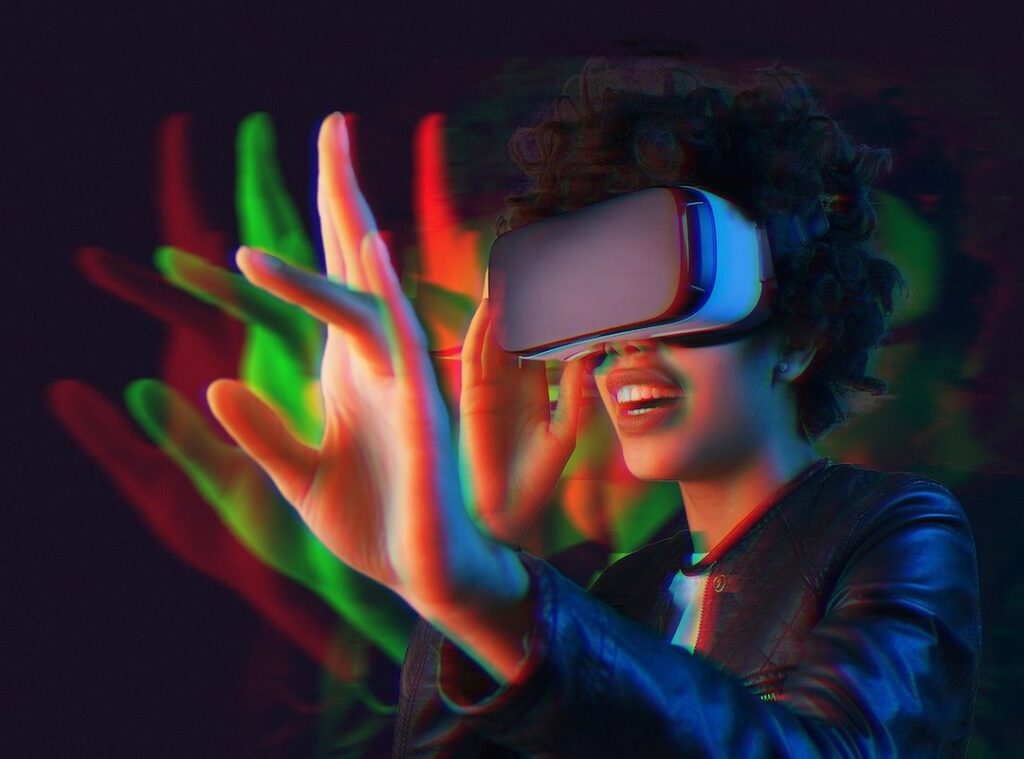

Are you tired of just sitting and watching stories unfold? Virtual Reality (VR) is shaking things up. It pulls you in, making you part of the narrative instead of a mere observer.
This article dives into how immersive storytelling in VR fundamentally changes the way we experience and interact with narratives. I’ve spent years in the gaming and VR space, watching these technologies evolve. I know what works and what doesn’t.
Traditional storytelling can feel distant and detached, but VR offers an engagement that’s hard to match. It allows you to step inside the story, to feel it, live it. This shift is not just a gimmick; it’s a game changer.
You will gain a clear understanding of the VR storytelling impact, including its unique narrative power and deep effects on audiences. I promise to break down complex ideas, making them accessible and practical.
Get ready to explore the mechanisms of VR storytelling. You’ll see how it can transform your narrative experiences. Trust me, this is a conversation worth having.
Beyond the Screen: Defining Immersive Storytelling in VR
Immersive storytelling in virtual reality is all about jumping straight into the action. Forget about watching from the sidelines. You’re right there, a part of the story.
Unlike traditional mediums, where you’re an observer, VR storytelling places you smack dab in the middle of the scene. This is the core difference. Instead of watching, you’re inside the story, often as a participant.
It’s a game changer.
Three key elements make this possible: 360-degree visuals, spatial audio, and interactive environments. These elements create a sense of “presence” that traditional media can’t match. Remember that feel of reading a gripping book or watching an intense movie?
VR goes beyond that. It breaks the “fourth wall” like nothing else.
Picture this: You’re standing on a beach. You hear waves crashing around you (thanks to spatial audio). Look up, and seagulls fly overhead.
This simple scene immediately creates presence.
The impact of VR storytelling is huge. It transforms passive experiences into active adventures. The VR storytelling impact can’t be overstated.
It’s not just evolution; it’s a revolution in how stories are told and experienced. Exciting, isn’t it?
The Alluring World of Presence in VR
When I first slipped on a VR headset, I was blown away by how real it felt. The VR storytelling impact isn’t just about visuals. It’s about engaging every sense, creating a world where you feel truly present.
Sight and sound are obvious players, but VR goes further.
Imagine sound coming from every direction (spatial) audio does that. It makes you feel like you’re standing right there, whether you’re in a bustling city or a quiet forest. The graphics don’t just look good; they’re crafted to trick your brain into thinking it’s all real.
Haptics might sound fancy, but it’s just the way your controller vibrates when you touch something in the virtual world. This feedback adds a layer of realism that visuals alone can’t achieve. Ever felt a simulated raindrop or a virtual handshake?
It’s weirdly satisfying.
These immersive elements create a stronger connection to stories. You don’t just watch; you live them. If you’re curious about exploring new VR worlds, trust me, it’s worth the plunge.
The more senses engaged, the deeper the experience. It’s like your own personal adventure movie, starring you.
Agency and Choice: Your Story, Your Rules
Ever felt like a mere spectator in your own life? In VR storytelling, you finally become the protagonist. You move from passive observer to active participant, making choices that shape the narrative.
It’s like stepping into your favorite movie and deciding how it ends. No more shouting at the screen about what the character should do (we’ve all been there).
This isn’t just about playing a game; it’s about crafting an experience that’s yours. Imagine the thrill of influencing character relationships or seeing tangible consequences from your actions.
The impact of VR storytelling is undeniable. It grants you a level of agency rarely seen in traditional media. From picking up objects to making complex choices that alter storylines, every decision counts.
Games like “Until Dawn: Rush of Blood” and “The Walking Dead: Saints & Sinners” show this vr storytelling impact. They let you steer the story, creating memorable adventures. The personal investment is real.
By the end, you aren’t just playing (you’re) living it. It’s a shift that makes VR storytelling more immersive and personal than anything before.
Cultivating Empathy: Stepping into Another’s Shoes
VR storytelling has a unique magic. It lets us dive into worlds and perspectives we wouldn’t touch otherwise. Why is this important?

Well, this experience can change how we feel about things.
Imagine being a refugee, feeling the dirt under your feet and the fear in your chest. That’s VR storytelling impact for you. It doesn’t just put you there physically; it makes you understand emotionally. “Perspective-taking” is a big deal here.
When you’re embodied as a different character or witnessing events from a unique viewpoint, it hits hard. You gain a deeper understanding of struggles and triumphs you might never encounter in your own life.
Some VR experiences are designed to evoke empathy on a grand scale. You might find yourself in a historical conflict or tackling social issues head-on. That’s not just a game; it’s a deep experience.
Feeling present during a character’s journey does something solid. It builds empathy, and that can lead to real-world understanding. It broadens your worldview and forces you to see things differently.
Isn’t that something we all could use a bit more of?
Navigating VR Storytelling: Challenges and Innovations
Let’s get to the point: VR storytelling has its hurdles. Hardware accessibility is a pain. Many people can’t afford the latest VR headsets, and even if they could, the cost is off-putting.
And motion sickness? Yeah, that’s still a thing. Just when you’re immersed, the nausea kicks in.
For creators, it’s no walk in the park either. Optimizing performance, designing intuitive interactions, and crafting narratives for a non-linear medium take serious skills. But here’s the kicker (this) is just the beginning.
Emerging innovations like improved haptic feedback and eye-tracking are about to change everything. Imagine characters reacting to where you look. Wild, right?
AI-driven narratives are the real game-changer, offering changing, personalized stories. Does this mean VR storytelling could impact education, training, and even therapy? You bet.
We’re not just talking entertainment here. The VR storytelling impact is massive.
If you’re itching to explore this new frontier, check out the Top Vr Games Must Try for a taste. VR is pushing creative boundaries like never before, with its vast, untapped potential. Are you ready for what’s next?
Step into a New Reality
Immersive storytelling in VR is a game changer. It transforms how we engage with narratives. You feel presence like never before.
You gain agency over your choices. You develop empathy for characters in ways traditional media can’t touch. These elements create experiences that stick with you.
Why not see for yourself? Jump into a VR adventure today. Explore accessible titles or platforms that pique your interest.
You might just discover a new dimension of storytelling.
Don’t wait. Experience the VR storytelling impact firsthand. Dive in and open up a world that goes beyond the screen.
Your next adventure is calling. Take the leap now.